

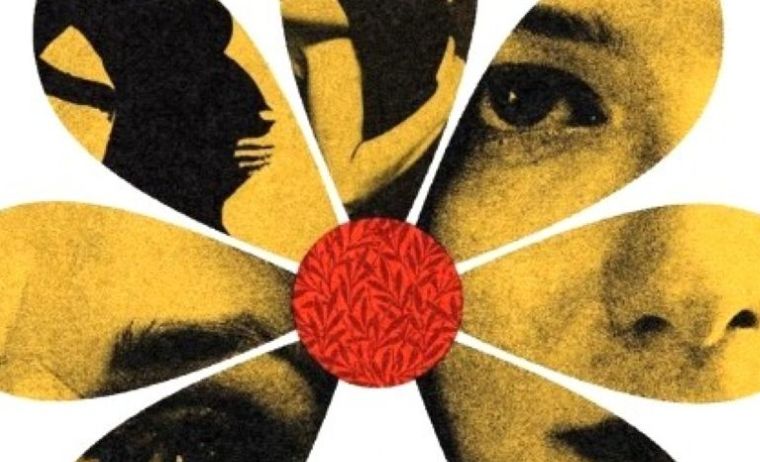
In ancient Greek mythology, the chorus was a collective voice in the theatre that commented on the play’s action, put it into context, and often reflected the community’s values. It invited the audience to consider ‘right thinking,’ emotional clarity, and cultural perspective.
In the recently released anthology from Mercier Press, Stepsisters: Stories from the Irish, a contemporary chorus emerges from modern Ireland featuring eight writers and 16 stories – all written by women and translated from Irish for the first time.
With narratives that stretch from Belfast to Kerry, the collection covers such themes as the demands of tradition, the immigrant experience, motherhood and loss, desire, and betrayal. As powerful voices that link old and new, the stories explore the complexity of life: from the ties that bind us, the forces that oppress us, to the love that both heals and sustains.
Alongside co-editor Tara MacLeod, Brian Ó Conchubhair, PhD, assembled the anthology to bring the relevance of these women’s voices to a wider audience. Born in Tralee, Co. Kerry, his studies carried him across Ireland and abroad through Limerick, Galway, Poland, Boston, and finally the University of Notre Dame, where he is currently a Professor of Irish Language and Literature in the Program for Liberal Studies.
He explains that the new tome addresses a long-standing imbalance within Irish-language literature.
“Traditionally, the short story has been a strong suit. For reasons never entirely clear, it remained a male-dominated genre with women gravitating towards poetry and drama. That situation changed radically in the post-2000 period with the emergence of a slew of new voices, many of whom appear in this volume.”
Selecting the stories required both passion and precision.
“I began with identifying the authors; finding stories that epitomized and represented the individual authors’ style and approach, and that also worked in translation.” As such, each story had to reflect not only the writer’s authentic voice but also the range of contemporary Irish-language fiction.
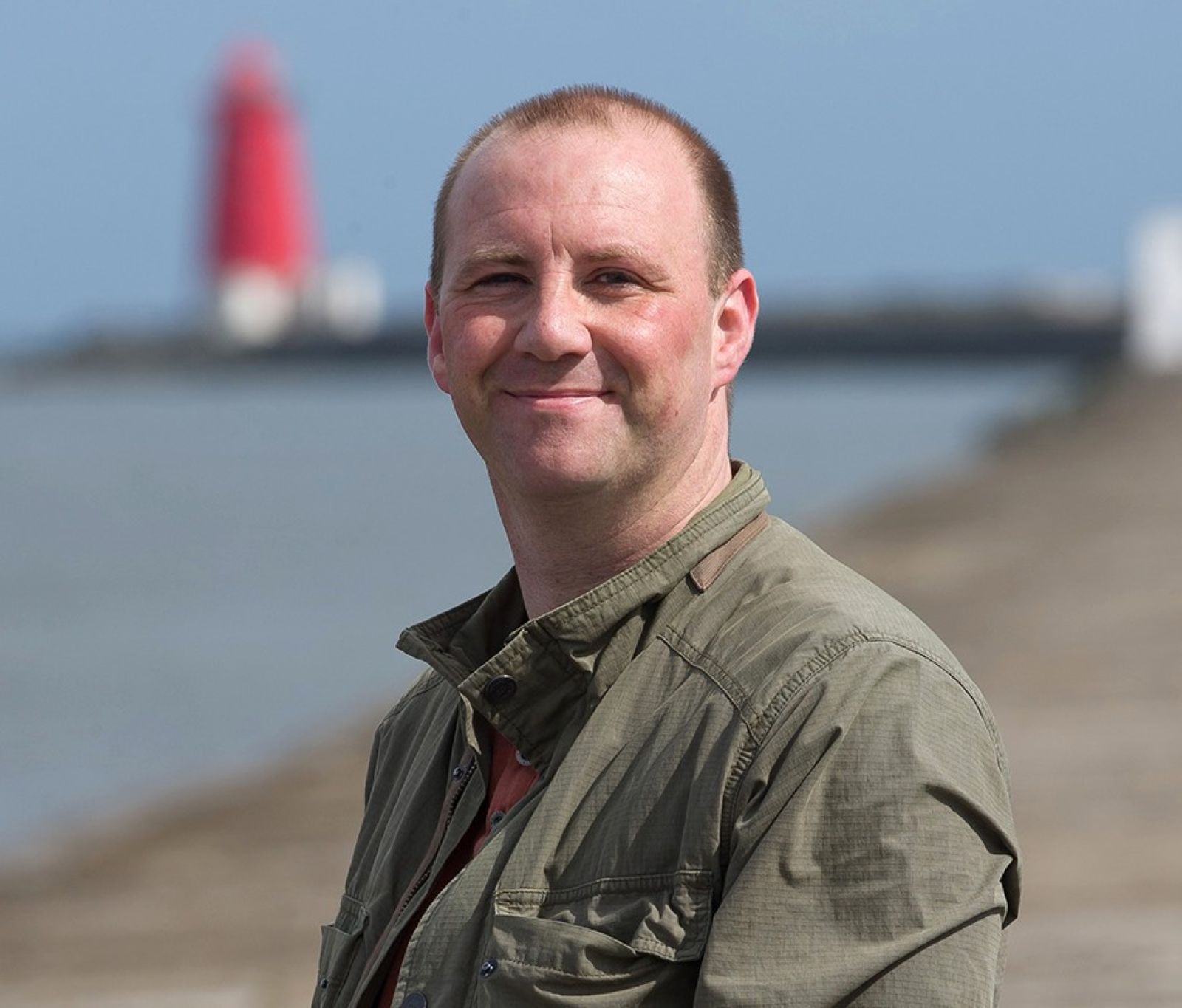 What motivated Ó Conchubhair was the chance to place women’s Irish-language voices before new audiences and to highlight when and how that chorus evolved.
“As the first such collection, it breaks new ground; it captures the energy and vitality of the contemporary Irish-language short story, as lived and experienced, rather than through the lens of nostalgia or romance. The book also challenges existing interpretations and narratives, bringing together a wide variety of styles and techniques.”
The narratives come from women whose lives and experiences insist on being seen and heard: a widow faces an impossible choice about her disabled son: birds of prey stalk through dreams of environmental catastrophe: a tattooist claims his lover’s skin. All of the tales explore the wide berth of what we call “family” in all its shifting forms.
That the anthology appears in translation from Irish only gives it even more significance, marking a moment in Irish literature whose time has come.
“I think we are at an inflection point,” says Ó Conchubhair. “The 21st century has seen the emergence of a new diverse generation of voices with exciting translations.”
Among the contributors in Stepsisters, Réaltán Ní Leannáin brings a perspective shaped by her youth during a defining and turbulent period. “My childhood was spent in West Belfast, living through the emerging Troubles of the sixties and through the continuing Troubles in the seventies as a teenager,” she recalls. In an atmosphere where Irish was discouraged or dismissed, resistance became her inspiration. “I was rebellious, and as the powers that be – the nuns at school, the political parties at that time, the British Army on the streets – as they frowned on Irish as a form of expression, I obviously had to learn and speak it. I started going to Cumann Chluain Árd, an Irish language club near me, and learned the language in classes with Albert Fry.” It was a choice that set the course for her lifelong relationship with the language.
Ní Leannáin dabbled in writing from a young age, but life’s demands left little space and time to pursue it seriously. That changed in 2008. “I was diagnosed with breast cancer. In the years of treatment that followed, I had limited energy and lots of time that I filled with writing, blogging, and also publishing my first book, a collection of poetry, Turas Ailse, based on my cancer journey.”
Her work has evolved steadily ever since. “I moved from poetry to prose, and I have worked hard at developing my writing style, attending classes, workshops, rewriting, and rewriting. I keep a specific voice in mind when writing any given story.”
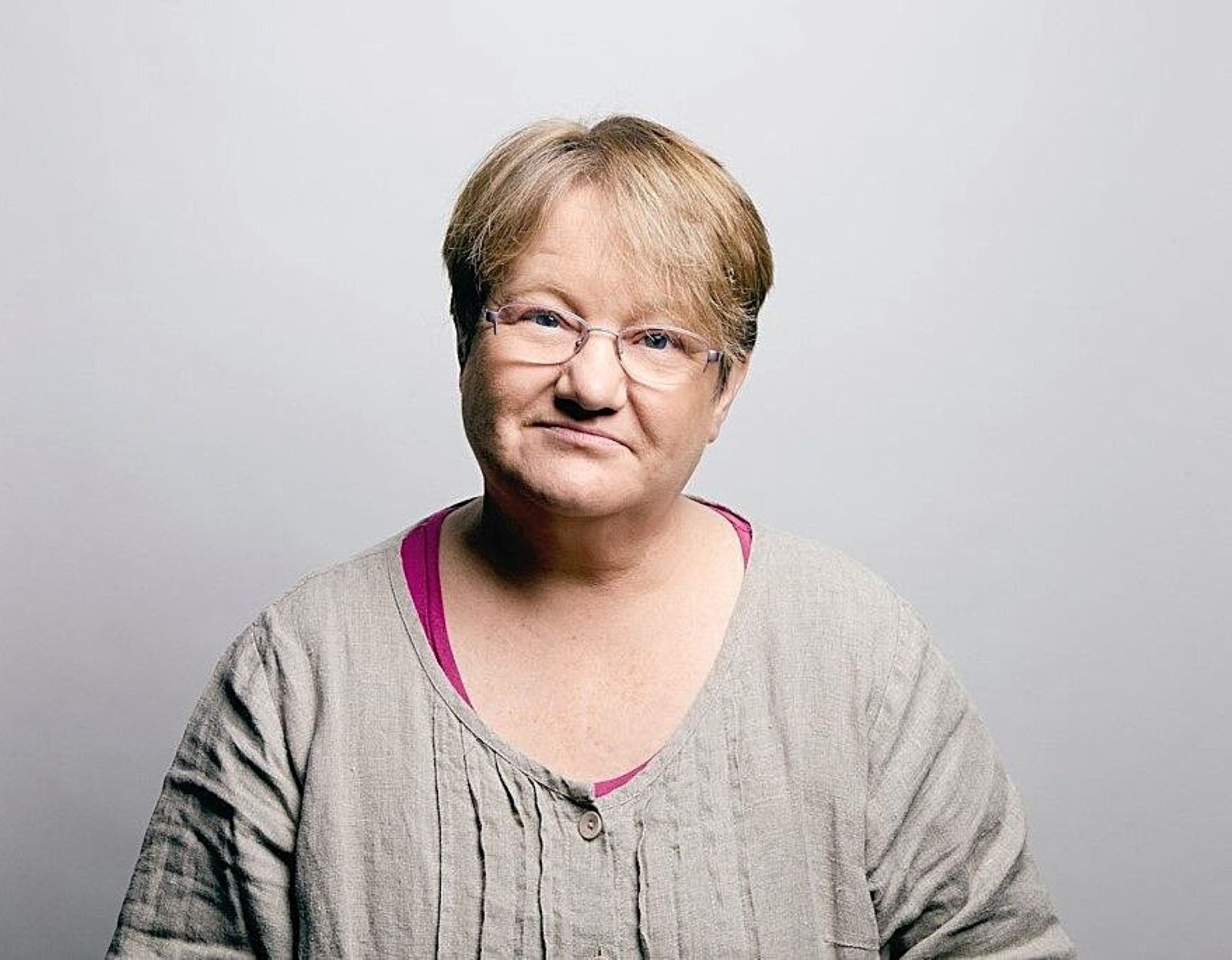 For Ní Leannáin, the collection marks a significant moment. “The anthology is an accurate snapshot of the contemporary Irish language short story. It features most of the leading exponents of the genre today. As we all write in Irish, many monoglot English critics would be unaware of our works. This collection helps to correct that.”
Ultimately, Stepsisters is more than a mere collection of stories – it challenges and enriches Irish literature as a whole. “Looking at literature in Ireland is like going into an old-fashioned sweet shop,” Ní Leannáin says. “There’s a little bit of everything.”
She also pauses at the label of “women’s literature.”
“If we are talking about literature by women, then it is just like the literature written by men. It has different styles, different approaches. This anthology is a case in point. We have reflective contemporary pieces by Róise Ní Bhaoill, pieces firmly rooted in folklore from Eithne Ní Ghallchobhair. Rural life is captured accurately by Michelle Nic Pháidín, and a more urban-rooted approach is taken by Majella McDonnell. We have the satirical comedy of manners that is Biddy Jenkinson’s stories from her Pádraig Ó Duinnín detective series, and meditative pieces that explore relationships by Katherine Duffy and Deirdre Brennan. My own stories look at ordinary people in difficult situations, very often using the Troubles in the North as a backdrop.”
Her sweet-shop analogy makes the point: “Choosing literature written by women is exactly like a child going into a sweet shop and coming out with a bag of mixed goodies – you’ll like most, if not all of them.”
Ó Conchubhair agrees that the moment is far-reaching.
“The 21st century has seen a reinvigoration of other genres such as the detective novel, graphic novels, travel literature, and the historical novel, as well as reimaginations of medieval and classical literature,” he observes.
From this perspective, Stepsisters stands as both a cultural milestone and a bridge that sees Irish-language women’s stories as a window into modern Ireland. These voices, presented in translation yet loyal to their own linguistic tradition, are as the anthology promises: bold, unflinching, and impossible to ignore.
www.mercierpress.ie
@mercierpressbooks









Leave a Comment