

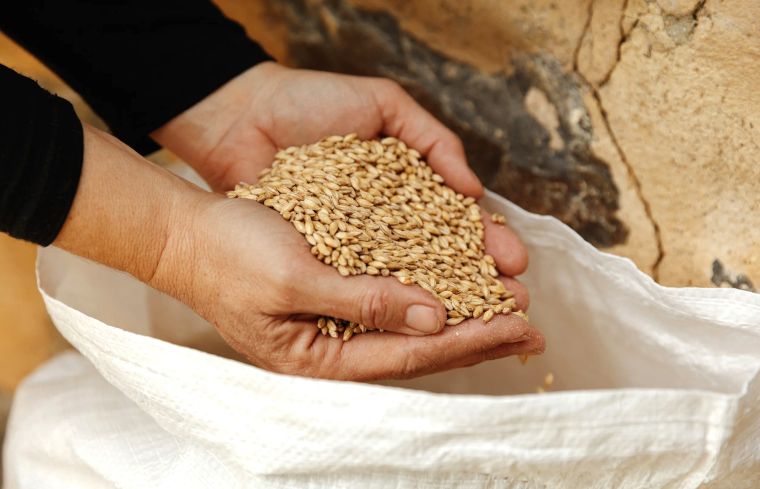
Spare a thought, perhaps a prayer, for those who toil the soil. At the end of the day whisky is an agricultural product and 2025 was not a banner year for grain farmers around the world.
To say that the global whisky industry is going through a bit of correction is probably an understatement. However, at least the sector is coming to grips with the fact that there is an oversupply problem.
Some 50-60 new distilleries have opened in Scotland over the past 15 years, with a few more slated to debut in 2026. During the same period, many of the established whisky companies doubled or tripled production at their existing distilleries. In terms of volume, the demand for Scotch whisky (primarily Blended Scotch) peaked around 2011, but in value terms (driven by single malts) the industry sales kept growing until 2022.
There is now a growing glut of young whisky – mostly 15 years of age and under – maturing in warehouses across Scotland. In response, distilleries, like the Speyside Distillery, have started to close. Diageo, the world’s biggest drinks company and the largest producer of Scotch, has quietly shuttered half a dozen of its 31 distilleries and recently mothballed a barley malting facility. Production at Glenmorangie was put on pause for several months this year, and Benriach Distillery is set to go silent for at least the next 2 years.
The Scotch whisky industry has gone through four boom-and-bust cycles over the last two centuries, something I covered in a prior column. Benriach’s shutdown, though sad news, isn’t exactly unprecedented. Since it first opened in 1897, it has been shuttered for more years than it has been in whisky production.
 The problem in America is even more dire. Before 2005 there were around 100 craft distilleries in the United States, twenty years later this had ballooned to more than 3,000. It is expected that a quarter or more have shut down or are on the verge of doing so. During this period, the larger producers like Jim Beam and MGP also massively cranked up production and are now correcting or looking to do so.
Just this past September, Heaven Hill opened a brand-new new distillery in Bardstown, replacing a facility that was lost to a devastating fire in 1996. This effectively doubles the volume of whiskey Heaven Hill is capable of producing when you add the new facility’s production to the company’s Bernheim Distillery output. But is this production increase sustainable?
Whiskey production in the U.S. dropped by a quarter in 2025, from a peak seen in 2023 and 2024. But this likely isn’t enough. The volume of whiskey maturing in American warehouses has tripled in the last decade, and even with the reductions, production this year is still 60 per cent higher than it was in 2015.
The picture globally is broadly the same. There are too many distilleries, producing too much whisky, and the global market can’t sustain them all.
This will be good news for consumers as in the years to come prices will have to come down – that is basic economics – though it is less welcome news for those invested and employed in the industry, and possibly dire for farmers.
The global boom in demand for whisky pushed up grain prices and encouraged farmers to expand crop production and take out loans to buy new equipment. The sudden and precipitous decline in demand for barley in Scotland this year pushed prices below the breakeven point for farmers. Demand in 2026 is expected to drop by a further 30 to 40 per cent.
Times are tough in the whisky business these days, and it’s not just the producers who are suffering. So, as you raise a glass to lower prices and better value in the years ahead, don’t forget to spare a thought, perhaps a prayer, for our farmers. Without their grain, we wouldn’t have any whisky to drink! ~ Andrew Ferguson
www.kensingtonwinemarket.com
@kensingtonwm










Leave a Comment