

Christmas may be all about tradition, yet celebrating the holiday with all the trimmings – especially during these difficult economic times – can put a serious dent in the average budget. With inflation steadily increasing since the COVID-19 pandemic, many people who don’t fit the profile of a typical social service recipient now find themselves needing extra support year-round.
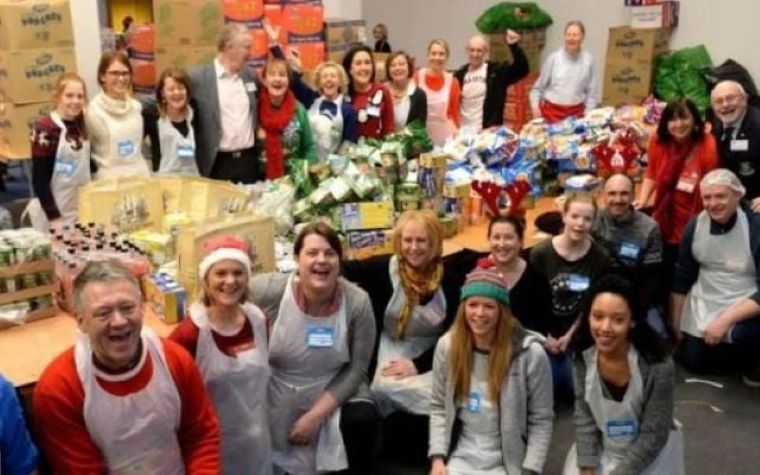
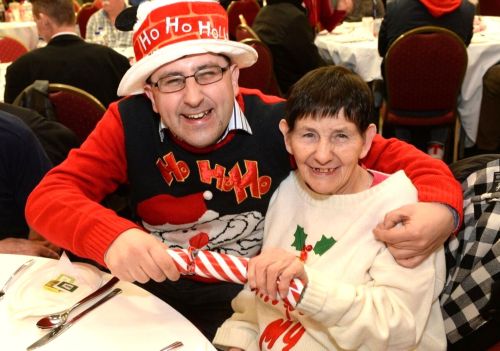
For just over a century, the spirit of St. Columbanus has done its part to keep the holiday happy for many in Dublin. Each year, on December 25, the savory scent of roast turkey permeates the Royal Dublin Society Hall as hundreds of people – some homeless, others lonely, and some simply down on their luck – are seated along rows of long tables decorated with tinsel and ornaments. In addition to the free three-course Christmas dinner, the event features live music, dancing, and honored guests. Bringing it all together are the many volunteers of the Order of the Knights of Columbus, a Catholic organization inspired by a 6th-century Irish monk who once fed the poor.
At Christmas, the challenge to make ends meet is more difficult in many parts of Ireland and around the world. According to a 2023 report by Trussell Trust, “Working-age adults are much more likely to turn to a food bank than pensioners. Paid work is also not providing a reliable route out of hardship. One in four people referred to food banks in the Trussell Trust network are in working households.”
The Order has been trying to alleviate the struggle over the holidays for the past 100 years. Last year’s centennial anniversary of the Columbanus Christmas dinner hosted 550 guests at the sit-down meal, and an additional 5,500 meals were distributed across the greater Dublin area. “This is what it’s all about,” notes guest James Byrne told the Irish Times, gesturing around him inside the RDS as hundreds of people gathered to enjoy Christmas dinner and listen to live music. “I come here every year with my Mum. I just love the atmosphere.”
What began in 1924 at Dublin’s Mansion House (before its move to the RDS 70 years later) has grown into one of Ireland’s most enduring charity events. “It’s about companionship as much as food,” explains Malachy McDaid, Supreme Secretary of the Order.
 “St. Columbanus preached that hospitality was holiness. We just try to live that out for one day, the way he did every day.”
Last year, over 300 volunteers donated their time to the cause, joined by the Dublin City Council, members of St. Vincent de Paul, Alone, Age Action, and the HSE, who delivered meals to people at home or in shelters. The city’s Lord Mayor and Archbishop of Dublin have also attended to offer their blessings. A total of 2,500 gift bags were handed out across Dublin last year as well – often the only visit many recipients had on Christmas Day, according to the Irish Independent’s 2024 report.
“The atmosphere is electric,” shares Trevor MacNamara, Chairman of the Christmas Day Dinner Committee. “People walk in cold and anxious but leave smiling and full.
Although the event is run entirely by volunteers, rising costs are affecting our ability to maintain the high standards we continue to uphold.
“The demand for takeaway dinners increased significantly from 1,200 in 2012 to 5,500 this year, reflecting the difficulties experienced by families and the poor, especially if we consider how the housing cost in Ireland is becoming more and more expensive, with a number of families that cannot afford to buy or rent a house.
“While it’s a great celebration, it’s a real challenge. Every year we think, this is the year we’re going to turn the corner, and the numbers will start to go down again.”
According to recent statistics, however, no such decrease is in sight for the near future.
“While food banks used to be for crisis intervention, the ongoing cost-of-living crisis has made them part of life for a lot of families,” reveals a September 2025 report from the Irish Farmer’s Journal.
In the spirit of ancient Celtic hospitality, the Knights’ work keeps a thousand-year tradition alive, one that sees generosity not as charity but as kinship, captured in the words of one anonymous attendee last year. “I’m hoping things get better with the whole housing crisis. But for now, I’m looking forward to my dinner. It’s amazing to see the volunteers spending Christmas with us when they could be spending it with others.”









Leave a Comment