


Seeing unusual car license plates flaunting Gaelic in a Halifax, Nova Scotia, parking lot, you wouldn’t be blamed for thinking there is some sort of meeting going on for some esteemed group – that is because there is. And that group is growing.
Inside, a Gaelic learning session called Làithean Bogaidh is taking place. A young woman leads a group of adults in immersion, something that would have been rare here even just 25 years ago. And the learners identify not only as Celtic, but as Gaels specifically. In fact, several hundred thousand Nova Scotians have Scottish Gaelic in their blood.
They will tell you the license plate with a fish inside a stylized circle is the salmon of knowledge, accompanied by the words “Alba Nuadh” – Gaelic for New Scotland, or Nova Scotia. Pride, language, and tradition tie up in these plates like a fisherman’s knot.
The Gaels and their language have faced many threats over the generations on Canada’s east coast.
“There was active suppression of the language for over 250 years,” explains Keiran Walker, Administrator for the Gaelic Council of Nova Scotia. “But it survived and is being revitalized and inspired. It is a cultural reclamation.The stories I hear are from people retaining a piece of their culture – deepening their connection.”
Older Nova Scotians – particularly those from Cape Breton Island and the province’s northeastern mainland – recall a painful rap on the knuckles at school for speaking Gaelic, the first language they learned at home.
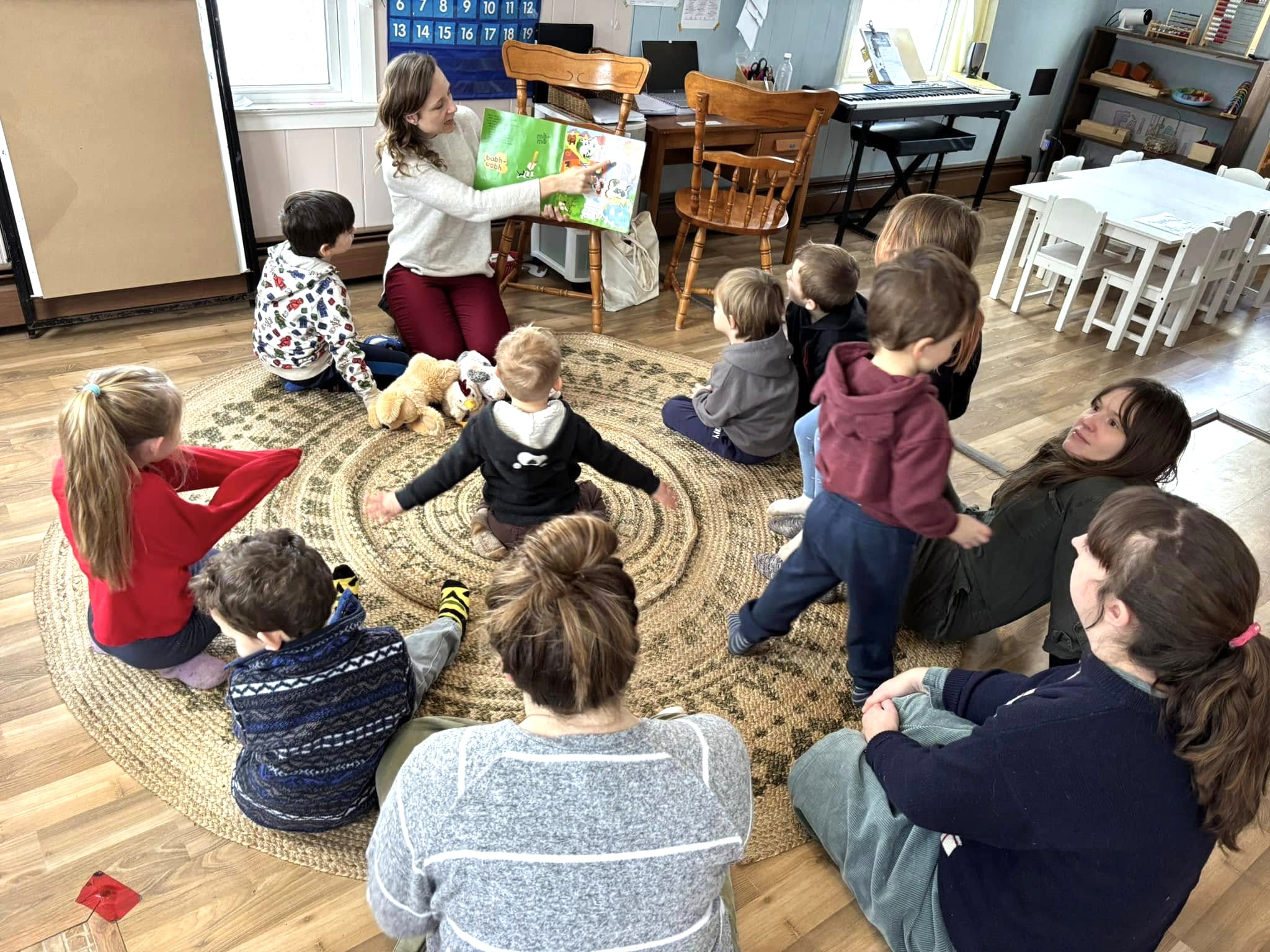
Today, schools dedicated to speaking Gaelic go far beyond the basics of Duolingo. For example, the Taigh Sgoile Na Drochaide – a charming little white-shingled house in Mabou, Cape Breton with 11 students from pre-primary to Grade 5, three teachers and a classroom support – is a private facility for Scottish Gaelic immersion.
“I love that the children have such a passion for their culture,” shares teacher Seonag Buxton, an Ullapool native. “The way the children are interested in it – they see absolutely no difference between Gaelic and English.” Compared to Scotland, she continues, “the difference here is that parents are all super-supportive and it rubs off on children. From the county perspective, there is massive pride in the culture and traditions are acknowledged, preserved, and recognized.”
Thankfully, when these children move on to their local community school, they can still take Gaelic classes through to graduation. Three hours away in the provincial capital of Halifax, Citadel High School offers it from Grades 10-12 with bursaries for top students.
Citadel HS teacher Beth Anne MacEachen is also the Chair of the Celtic Cultural Society of Nova Scotia. “The focus is on Scottish Gaelic but we will do Irish Gaelic also if there is a connection.
“For me, the most fun about learning and speaking Gaelic is making friends in Scotland, Ireland, and elsewhere – it is an instant bond.”
MacEachen believes that Gaelic learning is progressing in NS schools and recalls one how one pupil left an impression years ago “I had a student in Grade 10 who told me she remembers me reading the Gaelic children’s book ‘Fionn MacCool and the Salmon of Knowledge’ (Bradan Press) – it is one of her first memories.”
MacEachen brings that passion into acting for Gaelic short films too – you can hear the joy in her lilt. She keeps it fun by taking her classes on field trips to Nova Scotia’s Gaelic College – Colaisde Na Gaidhlig – a cluster of buildings amid the mountains of the Cabot Trail, with a cozy fireplace and a great hall extolling the Scottish story.
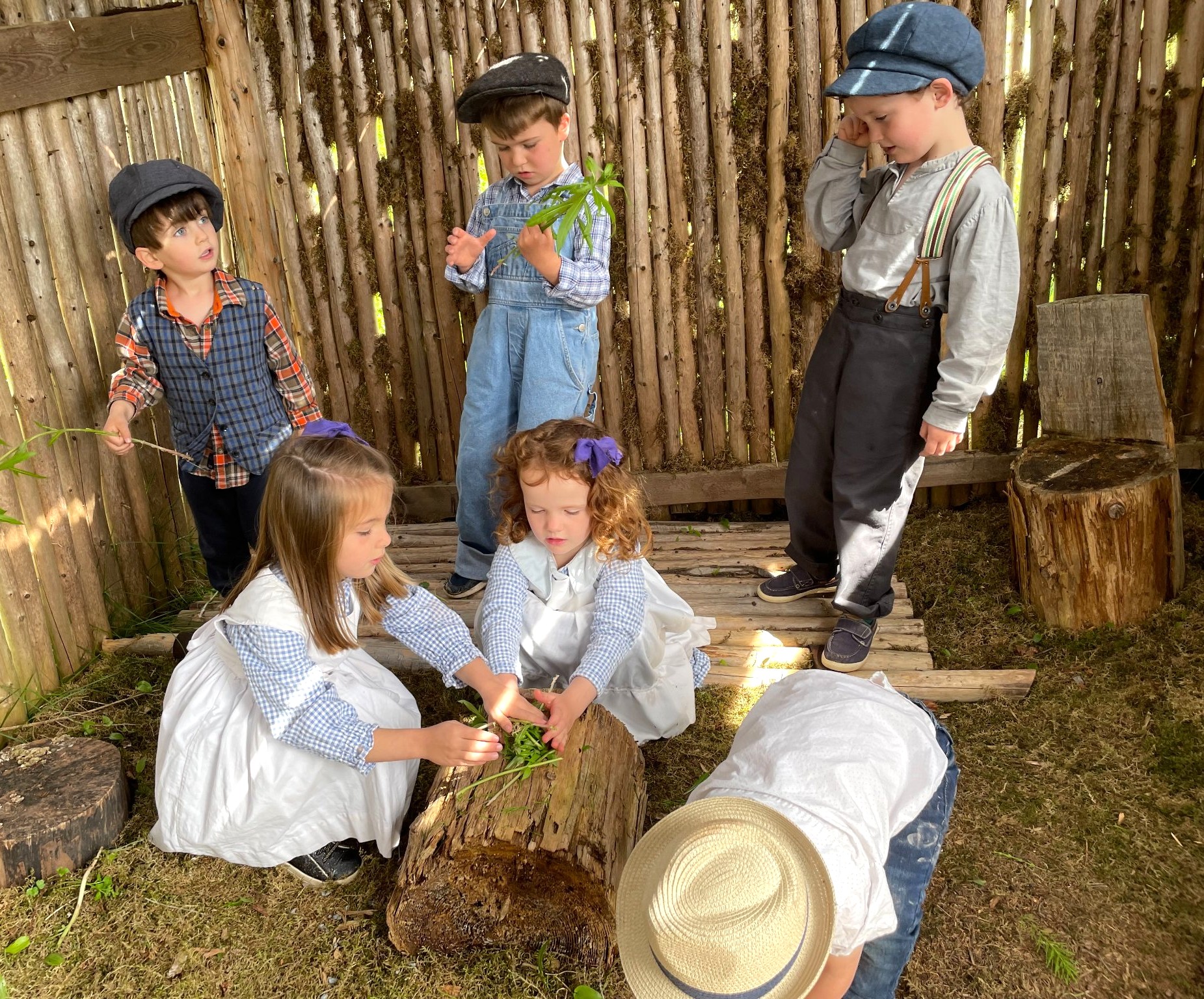
Youngsters, ages 10-15, can get the Gaelic here as well. Along with immersion programs for adults, and weekend and school break Gaelic programs, the College hosts Na Gaisgich Oga- The Young Heroes, immersing 100-200 youth in total. For eight weeks, students speak Gaelic, play fiddle, pipes, or piano, dance and delve into Scottish traditions like licking their spoons over a dish of Halloween fuarag.
An unlikely spot in a converted convent is the newest jewel in the province’s Gaelic crown – situated right beside the little Gaelic school in Mabou. This satellite campus offers Gaelic Foundations: Living Culture as part of a Community Studies degree through Cape Breton University. “We’re working against generations of disruption, appropriation, and shame,” shares VP Beinn Mhabu Kenneth MacKenzie. “But every time a learner finds community and confidence through Gaelic, it proves that revitalization isn’t just possible – it’s already happening.”
Alumnus and fiddler Vincent McDonald was inspired to study there. “It brought me into a whole world of heritage, history and culture. You notice many Canadian immigrants practicing their culture openly with language, but before, I didn’t really see mine much.”
Former student Rian Montgomery shares the senitment: “I feel more connected with my heritage now that I’m learning the language and it is something I can give back to the younger people in my family.”
 Gaelic College President Rodney MacDonald notes that the Gaelic journey takes time. “You need the building blocks in place before you can move forward. Organizations like the Gaelic College and the Highland Village in Iona began to focus on that element. It’s a culmination of those basics, along with the recognition and understanding that many native speakers were passing on, tht creates a pride of place and of people and of being a Gael.
“Today, when I go to a dance in the community, it is not uncommon to hear young people speaking Gaelic. Twenty-five years ago, it would only be older people.”
Lewis MacKinnon, Nova Scotia’s Executive Director of Gaelic Affairs and Gaelic poet, hopes more people have the opportunity to be involved.
“You cannot separate language and identity. It is rich, deep, and profound, whether it’s poetry or storytelling traditions – you could spend a lifetime learning the richness.”
There’s even a Gaelic podcast by Amber Buchanan and Shannon MacMullin, part of Freumhisfas, five women working on the language. Called Na Doideagan, it’s reminiscent of benevolent witches from Scotland’s Isle of Mull.
Another opportunity to learn Gaelic comes from a new initiative called Gaidhlig aig Baile – Gaelic in the Home. The group has rented two houses on the shores of the Bras d’Or Lakes in Cape Breton – just for Gaelic. Called Cala Cainnte, people sign up to stay for four months and dive into the language head-first.
“To just live and laugh and play everything in Gaelic,” exclaims Kate Awen, who took the course. “It was joyous!”
Awen is also in the Halifax group led by twenty-something Lili Watson.
“I was baptized into Gaelic,” smiles Watson, who grew up with Gaelic speaking parents. “When I was little, I thought English and Gaelic were the same thing. My little brain didn’t know the difference.” ~ Story By Rose Poirier









Leave a Comment