

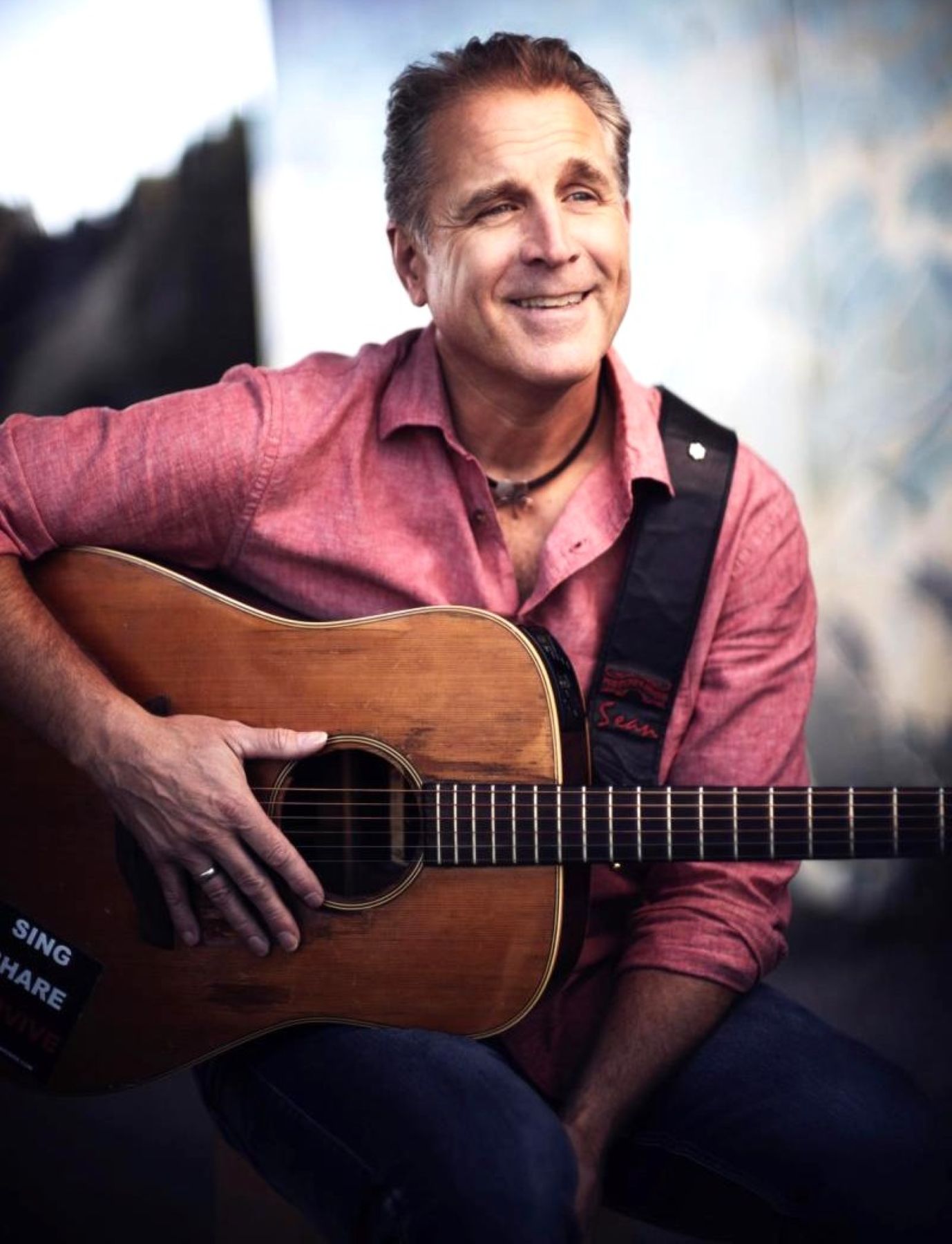
When Sean McCann stepped away from Great Big Sea in 2013, fans may not have realized that he was also stepping into a new way of life. After years of masking pain with alcohol, carrying childhood trauma, and feeling his creative voice drowning, McCann knew it was time for a change. He eventually traded arenas for intimate gatherings, started seeing music as a healing force rather than a hustle, and unmasked himself as The Shantyman.
Celtic communities from Newfoundland to Co. Armagh, from where McCann’s ancestors hail, have carried similar stories. While addiction and trauma have touched many, so has survival. Through its songs, stories, sacred rites, and seasonal rhythms, Celtic tradition doesn’t merely offer surface solutions, but subtle, ancient pathways to healing that provide the cure from within the culture itself.
“Music saved my life” has been a refrain for McCann since he left the spotlight. He lived that truth during the difficult stages of early sobriety. As he later said in an interview, “this guitar and the songs that came out of it kept me alive. I believe secrets can kill you, and I believe a song can save your life.”
Such perspectives are not unique to McCann. They reflect an age-old Celtic approach in which musical performance is not just entertainment but actually encourages personal evolution. Sea shanties, for example, made hard labor bearable while bonding communities; laments channeled grief; rebel ballads told the real story, anchoring identity. In the Celtic tradition, melody holds space for confession, comfort, and cure. In McCann’s pub-based solo tours, the communal act of singing becomes catharsis, restoring what shame and silence once masked.
For the Celts, music is both a reckoning and a balm to re-anchor body and soul. As McCann told Celtic Life International, “music is what I do for a living, but it is really what I need to do for life. It is an important tool that heals spirits.”
While music may carry the tune, truth-telling carries the story. McCann’s 2020 memoir One Good Reason confronts abuse, addiction, and the cost of silence. Similarly, in the Celtic oral tradition, the seanchai (the storytellers) were respected for their ability to facilitate healing and well-being.
These “keepers of the memories” held an important communal responsibility. When McCann sings Hold Me Mother, he offers a confession that heals wounds.
“The success of my own recovery was based on my ability to finally accept the truth…”
Countless stories told in Celtic homes and pubs of personal lore, family ghosts, and everyday sorrow are woven into the broader tapestry of belonging and beingness that ultimately heals. It isn’t about mere biography, but more about reclaiming the spirit. Within a community, telling your story not only makes it matter, but it can loosen its grip. McCann’s – and others’ – disclosures reflect a tradition older than any wellness trend, where bearing witness is sacred work.
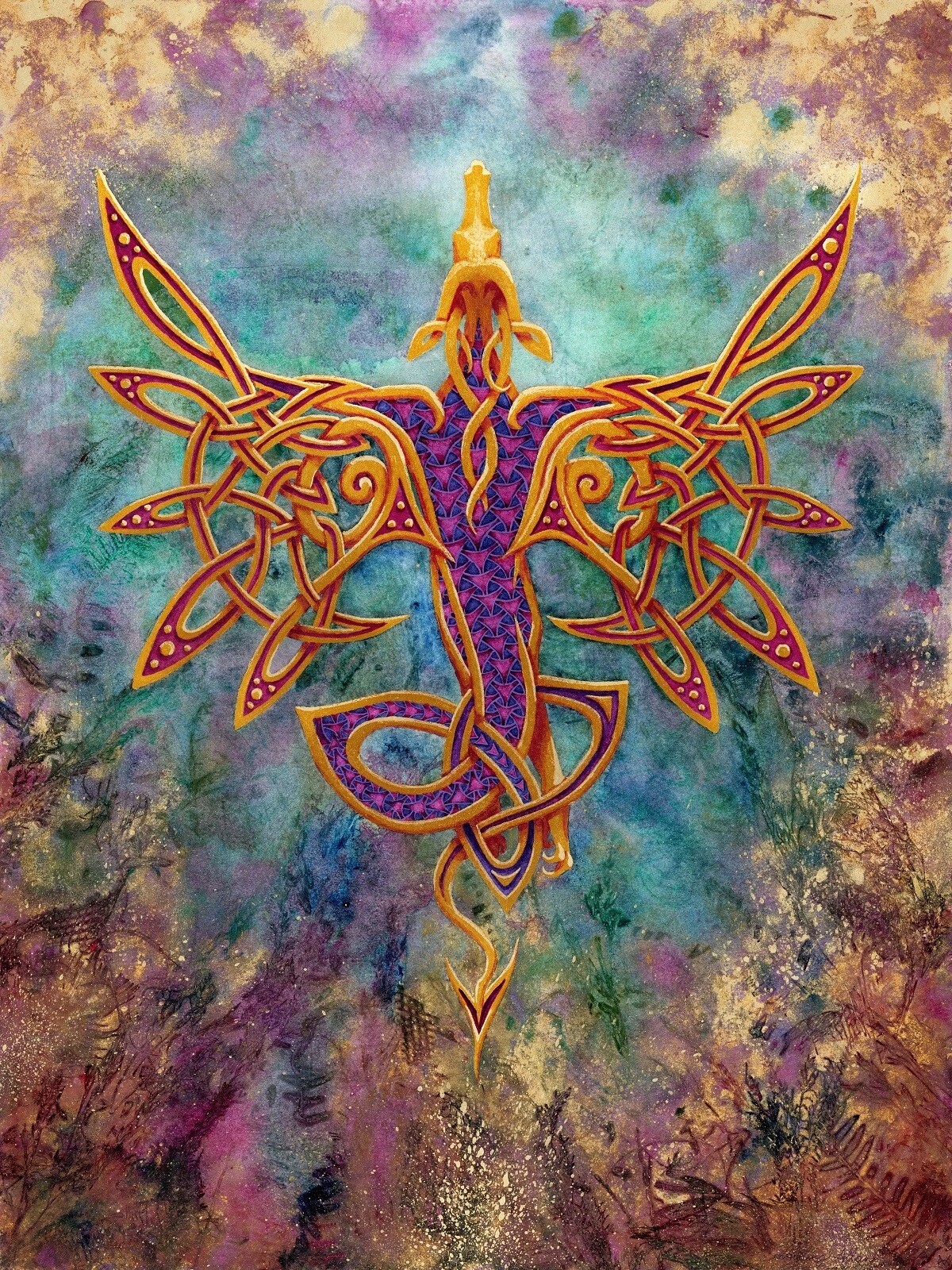
Celtic culture doesn’t view life as a straight line, but as a spiral path like the Triskele, that follows the rhythms and cycles of birth, death, and rebirth. This is also reflected in the Celtic wheel of the year, with the seasonal rites of Samhain, Imbolc, Bealtaine, and Lughnasa serving as reminders that endings and beginnings are part of the same eternal rhythm.
As Anne Marie Cribbin writes in her article Cycles of Renewal, “healing is not a one‑time event, but a continual process of listening, honoring, and returning.” Seasons change, wounds resurface, inner storms pass, and regeneration begins again. For anyone serious about recovery, this cyclical viewpoint is a lifeline.
Other Celtic currents also echo this same pattern of resilience. The anam cara, or “soul friend,” is about active listening and witnessing without judgment. In recovery, this emphasizes the power of peer support, where a bond transcends polite-but-rigid social norms, opening up opportunities for connection and communion with our higher selves.
Just as the lighting of Imbolc fires signaled hope in the heart of winter, recovery can emerge in the darkest seasons, bringing inspiration and renewal. As well, locations known as “thin places” in Celtic lands – spots where the veil between the seen and unseen is less dense – encourage reaching beyond the visible world for guidance.
McCann and others cultivate that sacredness within their performances, live or shared online, bringing people together in communal circles.
Today, the shantyman is not necessarily a relic or self-help guru, but a Celtic bard in the tradition of our ancestors. He harvests memory and pain, tunes it with melody, and offers it back into the community, transformed. Creating and sharing music and stories echoes many Celtic tenets that include retreating to the earth, honoring the cycles of nature, speaking truth as a sacred act, and walking the spiral path.
In a world eager to pathologize and even profit from pain, this Celtic cure offers something as ancient as the culture itself: the song, story, and the return of the soul to itself.
 Celtic Pathways to Healing
Ancient wisdom for the modern recovery journey
While contemporary recovery frameworks like 12-Step programs offer powerful tools and peer support, many of their deepest truths can be found in traditional Celtic culture. Long before recovery had a name, Celtic communities turned to these enduring concepts to navigate pain and find renewal.
Anam Cara
A sacred companion who walks beside you, offering presence without judgment. Like a modern sponsor or guide, the anam cara holds space for transformation with acceptance, enabling us to reclaim our lost selves.
Thin Places
In Celtic belief, certain locations have a thin veil between worlds. Such places function as portals for insight or connection with ancestors and the Otherworld. The meeting of sea and sky at the Cliffs of Moher (Co. Clare, Ireland), or the wild landscapes of the Isle of Skye (The Quiraing, Fairy Glen, Scotland) are just two examples where such experiences are said to unfold.
Seasonal Cycles
The Celtic path to healing is reflected in the natural rhythms of the seasons within the wheel of the year: Samhain is a time for release and honoring the dead; Imbolc holds the promise of new life in the heart of winter; Bealtaine celebrates fertility and growth; and Lughnasa honours the harvest with gratitude. These seasonal rites mirror stages of personal transformation that encourage growth, balance, and renewal.
The Practice of Storytelling
In Celtic tradition, storytelling was a sacred act of preserving memory and healing. The seanchaí (truth-keepers) told tales of triumph and sorrow that helped communities process grief, find meaning, and restore dignity. Speaking truth through story was, and remains, a powerful path to self-care and repair.
Communal Song
Singing together is an act of collective strength among the Celts of old and modern times. Sea shanties, laments, and ballads carried the weight of grief, joy, and endurance, turning pain into perseverance, isolation into community, and sorrow into a song of hope.
Reverence For Nature
Celtic tradition has always revered the natural world, viewing it not as separate from humanity, but as a living source of spirit and wisdom. Sacred groves, rivers, stones, and animals were regarded as teachers and companions on life’s journey. Healing, in this tradition, means returning to harmony with these natural cycles and finding renewal in the patterns of the earth.








Leave a Comment