

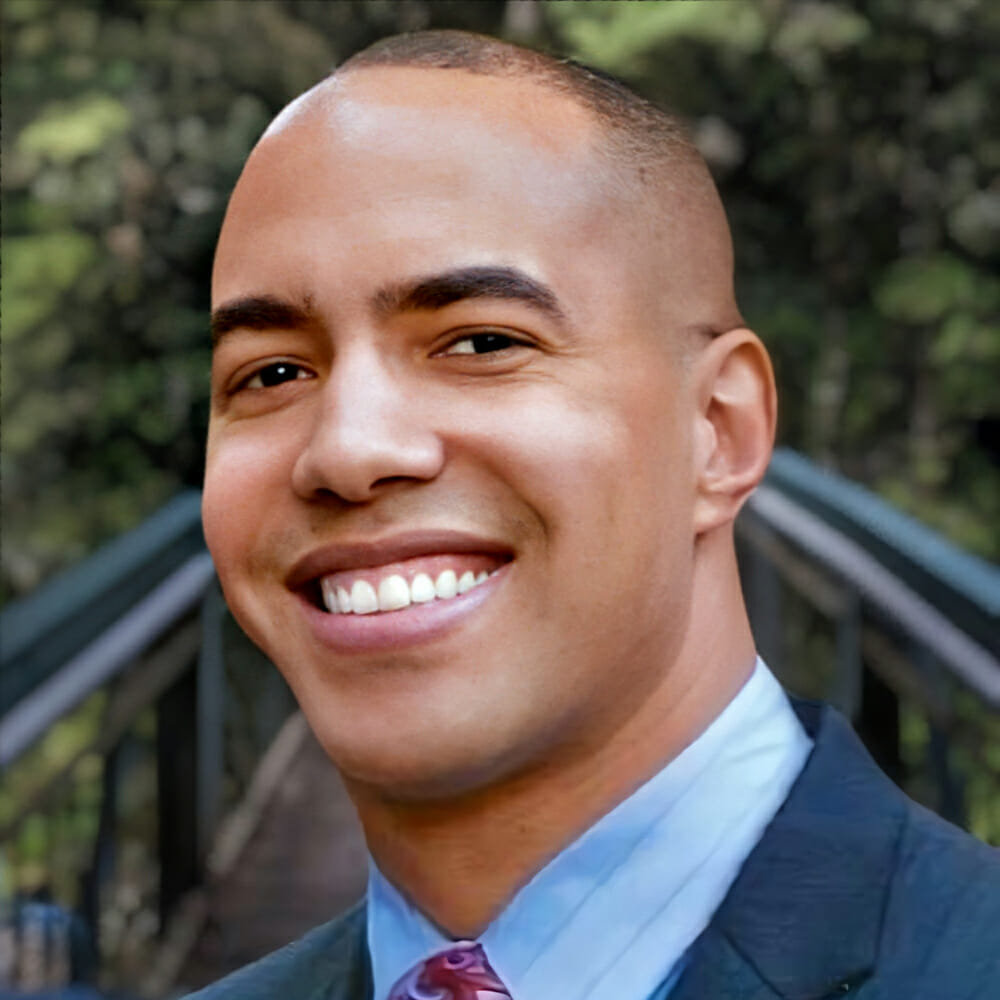
American author Ian Douglas’ story of how he came into a career in writing isn’t as romantic as one might expect from a successful and passionate wordsmith.
“The primary reason I took to writing was because it was the academic discipline that I was the most comfortable with,” shares Douglas, who is half Bahamian on his mother’s side and has strong Scottish ties on his father’s. “The more I wrote, the more positive responses I received from my instructors in middle school, high school, and beyond. I simply leaned into that positive feedback loop and began looking for careers that were writing-intensive.”
Whatever passion Douglas may lack in the medium of his œuvre, however, is more than made up in the passion he has for his subjects.
“Today, I write for several reasons, but much of it is habitual. My days seldom feel complete unless I’ve written at least 1,000 words, and most of my recent books have been a byproduct of my efforts to find a focused writing outlet that aligns with my interests and helps me to maintain my consistency.
“It’s also helpful that writing has enabled me to make the acquaintance of several talented writers in the sports, wrestling, and health-and-wellness spaces.”
Among his many interests and pastimes – some of which include being a volunteer firefighter and, as he writes on his website, being “the worst masters swimming All-American in recorded history” – Douglas harbours a fervour for professional wrestling: he even helps pro wrestlers write their autobiographies.
“At some point in the next year or two, I hope to complete the autobiography of Mike Rotunda, a retired professional wrestler I’ve been working with for a few years, who is one of the key contributors to one of the most prominent pro wrestling dynasties in the United States.”
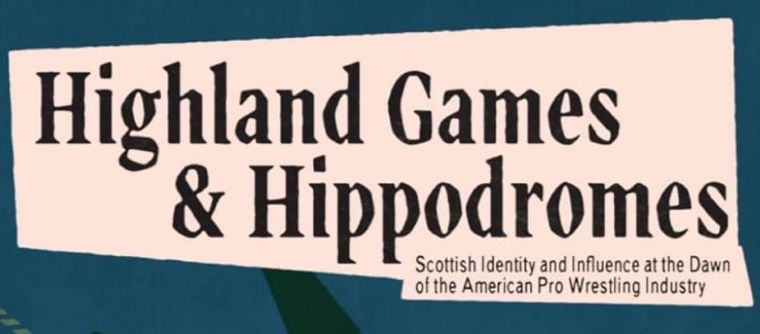
 After exploring the history of black wrestlers in the Bahamas and the U.S. in earlier works, he set his sights on the topic of his latest book, Highland Games and Hippodromes.
“I had a brief internal discussion about whether or not there were any remaining topics that I would regret not making an effort to write about. Almost immediately, the idea materialized in my mind that I should look into a book about Scottish wrestling pioneers in North America, as long as I could identify ways in which the careers of those individuals could cohere into a steady narrative that made sense.”
Turns out, that would not be a problem for Douglas. A number of Scottish wrestlers from the late 19th and early 20th centuries were instrumental in legitimizing the sport, with Scottish athletes like Donald Dinnie, Duncan C. Ross, Duncan McMillan, and Dan McLeod garnering attention and getting butts in seats.
“I discovered quite early that the Scottish contributions to pro wrestling in the U.S. – within a larger context of Celtic participation in pro wrestling – were unique, prominent, and essential to establishing the credibility of professional wrestling as an industry that attracted and featured legitimate athletes.
“I learned that Scottish natives and second-generation Scots – through their participation in the many Highland Games events hosted within the powerful network of Caledonian organizations that dominated Celtic social life during the late 19th century – established themselves as some of the most respected legitimate athletes (some would say ‘professional athletes’) in North America. From there, they leveraged the fame they acquired through legitimate competition to become major attractions in the growing pro wrestling circuit.”
As passionate as he is about pro wrestling, in this case, Douglas says he’s even more proud that he was able to contribute something to his heritage through this book.
“The biggest reward was showcasing Scottish contributions to the developing sports and entertainment industries of North America.”
“The way I see it, Scottish identity in North America is often a costume that people are able to slip in and out of with ease, while native Scots aren’t afforded the same privilege. As a result, many people on this side of the Atlantic become net consumers of culture, without truly contributing to it.
“With that in mind, it was an honour to create something that can help others to understand the ways in which the Scottish immigrant experience helped to shape the foundation of professional wrestling.”
@ianmacdouglass













Leave a Comment