

The Ingredients
American chef, author and travel documentarian Anthony Bourdain once called Ireland the “next great culinary superpower.” The much-conflicted and often-controversial culinary icon visited Ireland twice during his storied career, sampling both its pub-grub and fine-fusion dining.
Of Irish cuisine, Bourdain was philosophical.
“Here, it’s all about the ingredients. The best ingredients – like the best relationships – bring out the best in each other, often creating something even more beautiful, something greater than the sum of its parts. It’s alchemy, actually.”
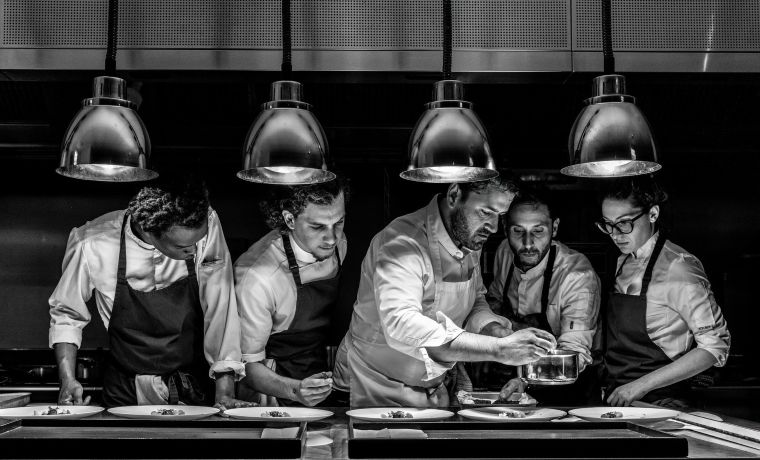
And while the country’s culinary traditions remain rooted in natural ingredients from the sea and land, Irish cuisine has evolved significantly in recent years, embracing eco-sustainability, a farm to fork ethos, celebrity chefs, food influencers, Michelin star restaurants, street feasts, and waves of immigrant influence on major centers like the Irish capital city of Dublin.
The Entrée
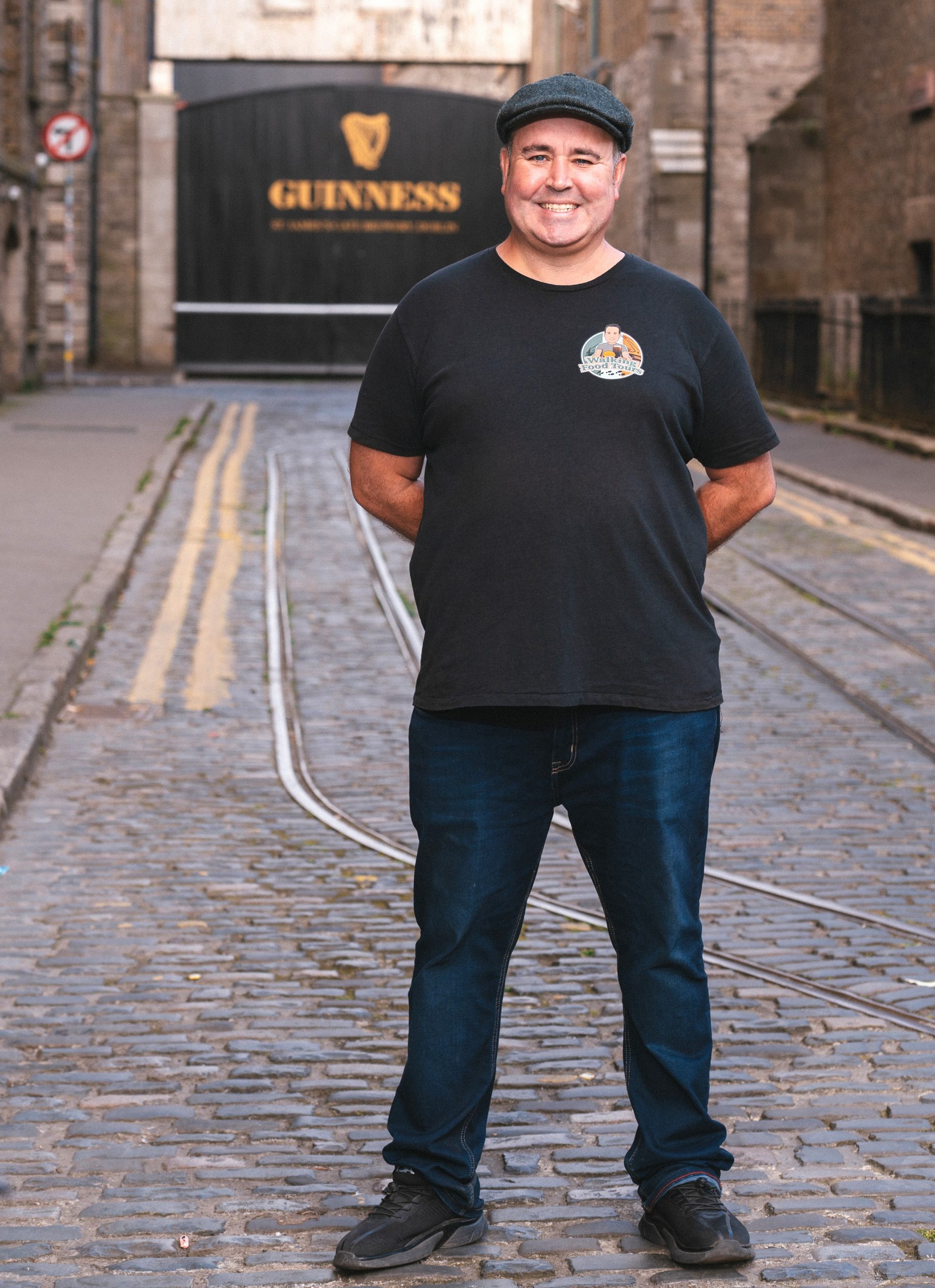
Standing in front of St. Catherine’s Church in Dublin, Kevin Adams is holding court for an audience of one.
“Ok, though we may only be two this morning, I will say to you what I say to all of our clients, ‘lift your glasses, move your asses, do your talking while your walking.’”
As the owner/operator of Walking Food Tours, the good-natured and gabby Adams knows and loves his hometown as much as anyone.
“Our walks take place in and around the Liberties area of Dublin, which is often considered the “real” Dublin. It’s a neighbourhood rich in history, culture, and storytelling. There are countless fascinating stories connected to the area, and the food scene is fantastic.”
“I have always enjoyed meeting people and working within the tourism and hospitality sector,” he continues. “My wife, Aoife, and I met while we were both employed at the Guinness Storehouse. We launched the tour during the COVID-19 pandemic. At the time, the idea was to encourage people to get out and explore their local area while also supporting local food vendors who were struggling.”
On cue, Adams opens the door of a small café, and we wedge our way inside. The place is packed with locals enjoying a mid-morning break. The few small tables of four are full, however two spots soon open up and we move quickly.
“Do you mind?” Adams asks the older couple who appear to be the only ones in the café not surfing their phones.
“Not at all,” replies the gentleman with a thick Irish brogue, nodding towards the two vacant chairs. “There’s room at the table for everyone.”
As we snack on scones and strong coffee, Kevin’s passion for Ireland’s exploding culinary culture becomes clear.
 “When I was growing up, food in Ireland was generally simpler and more traditional; stews, Shepherd’s pie, chowders, colcannon, coddle, boxty, and the like. Today, however, we are far more international, bringing global flavours and influences into Irish kitchens, often combined with high-quality local ingredients. The result is a vibrant and evolving food culture. Food has also become more experiential. Today, you can enjoy everything from fine dining restaurants to exciting street food, all built around exceptional local produce. It’s a very exciting time for Irish food.”
A short time later, we are back on the street. The air is cool and the sky is grey and a few drops of rain fall as we wind our way towards our next dining destinations. En route, we pass a number of hole-in-the-wall eateries with exotic names and unique food offerings. International accents abound in the Liberties; French, Italian, Spanish, Greek, Arabic, Asian, South American, Eastern European, and more.
“That’s become the rule here rather than the exception,” notes Adams. “And I’m all about it – as yer’ man said earlier, ‘there’s room at the table for everyone.’
“One of my favourite aspects of the tour is seeing people from different countries and cultures come together, share food, and connect with each other. Food has a wonderful way of bringing people together…”
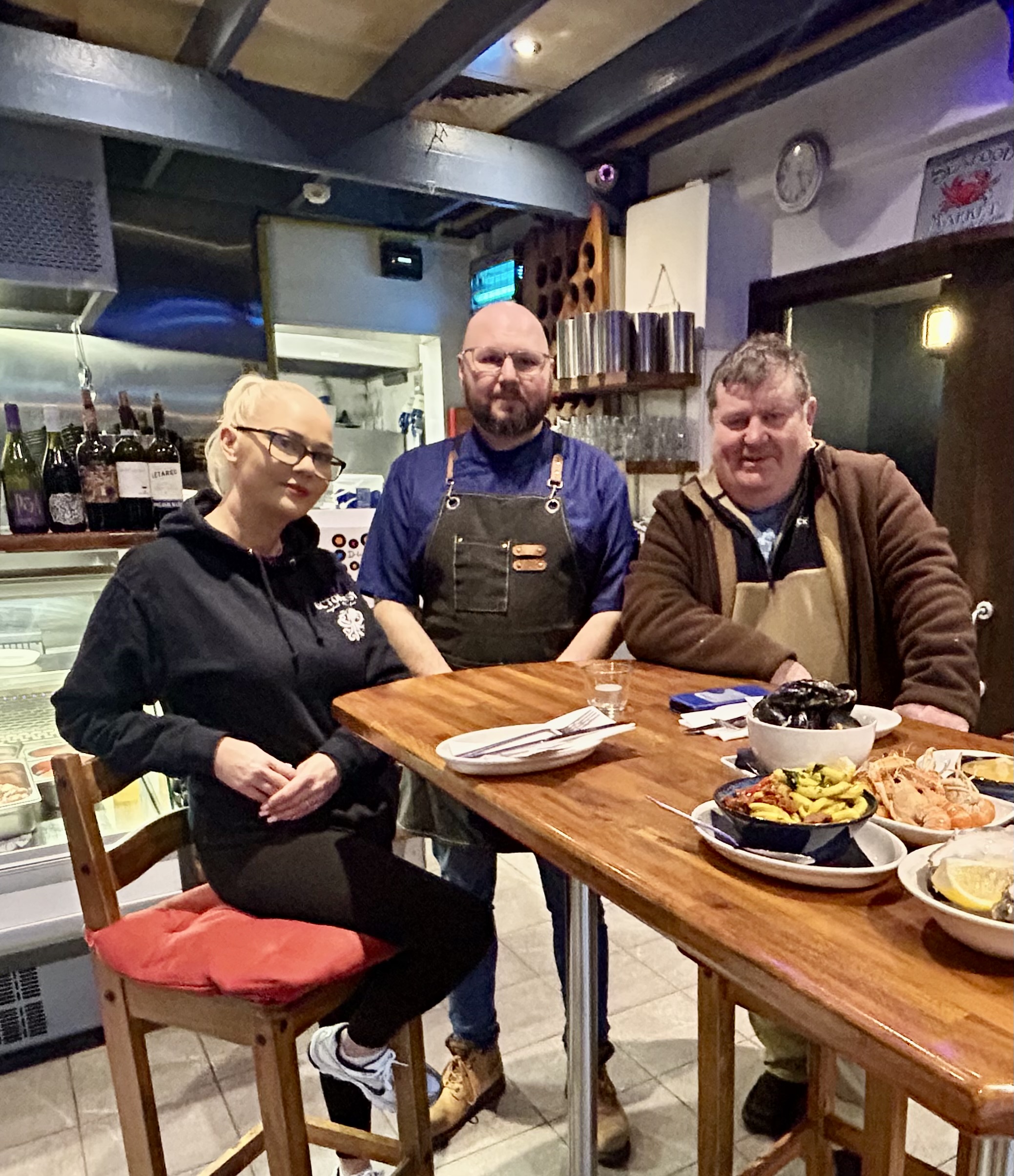
Later that afternoon, I meet with Linda O’Neill, Sean Doran and Chef Anton of the Octopussy Seafood Bar & Tapas in the cozy seaside fishing community of Howth, about 40 minutes east of Dublin.
“Come on in,” smiles O’Neill, escorting me to a small snug in the back of the restaurant. “Go on now…don’t be shy, grab a seat…there’s room at the table for everyone.”
The four of us small-talk over creamy chowder and freshly-baked soda bread for a few minutes before talking shop.
“You won’t find fresher seafood anywhere,” beams Doran, whose family has been plying their trade on local waters for generations.
Sure enough, bite-sized servings of scampi, scallops, squid, mussels, oysters, crab, and a variety of fishy finger-foods arrive and we dig in. There is no seasoning or spices, only a few dipping sauces on the side.
“No need to flavour it,” continues Doran. “It’s been flavoured by nature – you are tasting it exactly as it is meant to be tasted.”
Though off-season, Octopussy has seen a steady stream of customers come and go all day. Most are locals (including ‘Dubs’) as tourists don’t usually start showing up in droves until late spring to walk the pier, stroll the nearby cliffs, check out the community’s two lighthouses, cruise the coastline by boat, tour St. Mary’s Abbey ruins, or explore the expansive grounds of Howth Castle and Deer Park.
“A lot of folks visit Howth because of our history, actually” continues Doran. “Along with being a strategic military port, we’ve generations of sailors and fishing families and all of the stories that go along with that.”
 Doran is concerned that those stories, and Howth’s longstanding and pivotal place in the country’s culinary canon, might soon vanish.
“Ah, the industry isn’t what it was. Younger people today aren’t really interested in fishing anymore, at least certainly not as a career. We get kids looking for summer jobs on the water, but most of them would rather be on their phones than listen to some aging codger like me show them how to catch and cook seafood or regale them with old war stories. I mean, surely it is important to preserve all of those traditions, those memories, those stories…”
Ann Marie Duffin is a writer and documentary producer from Co. Wexford whose work is rooted in uncovering and preserving cultural memory. She runs Bia Duit, an Instagram account and digital project which explores the history, heritage, and traditions of Irish food.
Duffin now calls Dublin home, where she first became interested in Ireland’s culinary culture while working in radio.
“At the time, I was mainly involved in history and culture features, and I found that food offered a particularly revealing lens on the past. It captured elements of social history that other approaches often overlooked or simply took for granted.”
Bia Duit documents the rich and often overlooked stories behind what we eat and how we remember it, examining everything from food customs and seasonal rituals to regional dishes, forgotten ingredients, and the cultural significance of everyday Irish food brands. The project aims to spark conversation and curiosity around Ireland’s food past, and to preserve knowledge that might otherwise be lost to time.
“I definitely don’t refer to myself as an influencer, I probably see myself more as an archive digger and a cheerleader. Social media allows for a far more direct connection with people who genuinely care about our food.
Her efforts have opened up conversations and connections.
“Last year, I spoke on the food stage at the Beyond the Pale festival about the history of Irish soft drinks. I also co-hosted a food-history-inspired supper club with the incredible cook Yohan Irani. Being able to chat with people in real life about this area, and to share the stories and research I’ve come across has been lots of fun. I’m constantly coming across tales and records that challenge my assumptions or reveal just how nuanced, complex and exciting our food history really is. What made me share this work online though is a hope to spark a bit of curiosity and, hopefully, a sense of pride in our food heritage.”
She notes that, when it comes to Irish food, the biggest shift has been the change in perspective.
“People now recognize how incredible our produce is, how exciting the ideas and people behind it are, and how deeply rooted the connection has always been between our land, our sea, and what we eat and drink.”
Television personality Michael Londra concurs.
 “The culinary sector has evolved greatly in Ireland, as we have started taking the crafts of tourism and hospitality and food seriously. We have the best tasting food in Europe now – I’ll stand up to anyone on that. Our vegetables taste like there are no chemicals injected into them, so when it comes to foraging or farm to fork or whatnot the rest of the world is using words like provenance, but we were already doing that – mostly as there just were no other options. We simply had to use local food. And, even today, we don’t use words like “grass-fed” – that’s just beef to us. That is the way it has always been. And, going forward, I believe that this is going to be the message of Ireland.”
That newfound pride is evident at the Burren Smokehouse in Rathburn, Co. Clare, on Eire’s plush west coast.
“We smoke the salmon right here on site,” says Birgitta Curtin, who along with her husband Peter own and operate both the facility and the Roadside Tavern next door.
The couple set up shop in 1989, inspired by their surroundings.
“Ireland has never really been industrialized,’ she explains. “Because of that, the landscape is as it has been for hundreds, if not thousands of years, and the water and soil are still relatively pure.”
As members of EcoTourism Ireland, Good Food Ireland, and other local and national community organizations, the Curtins understand the importance of preserving the island’s natural habitat. “A clean environment makes for better tasting and more wholesome, nutritious options right across the entire food spectrum,” notes Curtin.
Jessica Murphy agrees.
“We only source the freshest local produce,” shares the co-owner of the Kai Restaurant in Galway. “And, thankfully, the west coast of Ireland is abundant with fresh produce.”
With an array of artisanal meat, fish, cheese and vegetable dishes on the menu, Murphy and her husband David are pioneers of the Emerald Isle’s Slow Food movement.
“It’s kind of a philosophic throwback to older times, when the planning, preparation and eating of a meal was an all-day event to be shared by family, friends and acquaintances. It’s a healthier process, and you can really taste the difference.”
Ireland’s Slow Food movement has gained serious momentum in recent years, with local chapters putting on more events each season to promote the region’s burgeoning food sector. All up and down the country’s west coast, eateries of all shapes and sizes are now combining contemporary cuisine with classic cookery, creating an edible expression that is an essential ingredient of the Irish identity.
And, with customers now much more aware and pickier about what they will put into their bodies, Ireland’s sustenance sector has had to re-examine what and how it prepares and serves food. It is no longer only about eating – it is about creating an experience that includes education, engagement, entertainment, and more.
The Mains
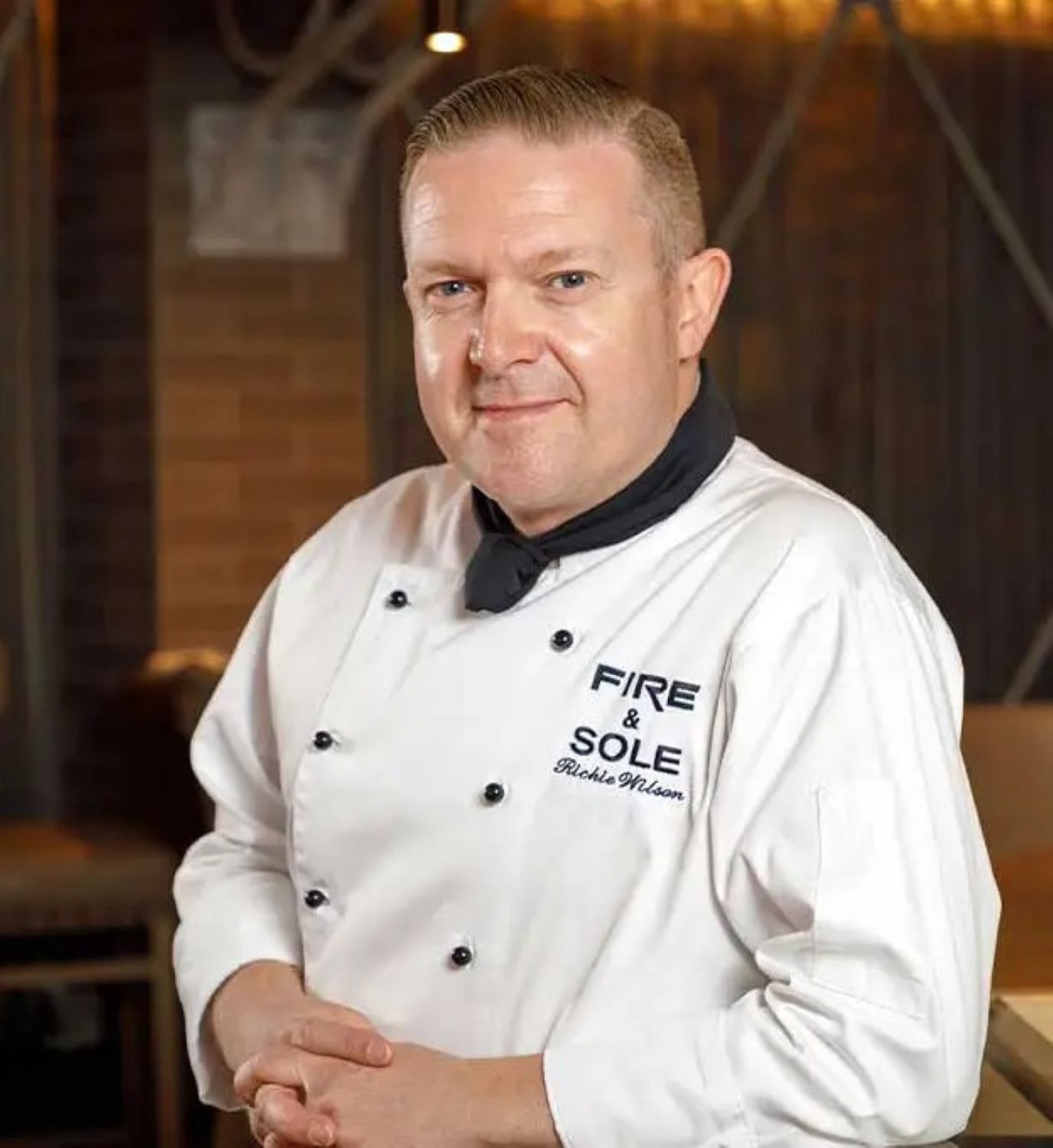
Tucked away on Drury Street in Dublin’s bustling downtown core, the award-winning SOLE Seafood & Grill is a quiet oasis of culinary calm; families, friends, associates, and couples sample savoury delights from both the A La Carte and Table’ d’Hôte menu options. The restaurant’s décor, lighting and music are simple, spacious, chic, and complementary.
Culinary Director Richie Wilson surveys the room before taking a seat as a plate is set down before us.
“So, what you have here are oysters from different parts of Ireland – Connemara, Carlingford, Achill and Galway,” he explains. “They each have their own distinct flavour and texture, which is impacted by the change in the seasons and the temperature of the sea.”
SOLE’s specialty are its Seafood Towers; Howth-smoked Irish organic salmon, shrimp, Dublin Bay prawns, and Rock oysters laid atop a bed of crushed ice; and grilled Irish lobster, pan-roast brown crab claws, steamed West Cork mussels, drenched with white wine and garlic cream and served steaming hot.
“As a people, as a country, our palate is evolving. We have the same core produce from the sea and the land that we have always had, but the way we select, set-up, season, spice, and serve those ingredients has changed.”
“That is a relatively recent development, and it is part of our duty to bring people up-to-speed on what they are eating, where it comes from, and how it is prepared.”
Along with the popularity of celebrity cooking shows, social media food influencers, and hit streaming series like The Bear, Wilson points to several socio-cultural factors for that growth.
“A huge part of the transformation has come from travel – specifically the Irish travelling abroad and bringing home new perspectives from their food experiences, including a greater appreciation for what we have to offer here in terms of fresh produce.”
In recent years, immigration patterns to Ireland – and Dublin in particular – have had a huge impact.
“The Celtic Tiger era (1995-2007) saw our economy explode in ways it never had before,” recalls Wilson. “Quite suddenly, there were all of these jobs available and too-small a working population to support that growth. Now we have people from all over the world working in Ireland’s food sector. Inevitably, and thankfully, those foreign flavours have made their way onto our menus. So, Dublin is really no longer an Irish city, it is an international capital and destination – a fusion of people and of food. And that’s great – there is room at the table for everyone.”
Nearby at Glovers Alley, Chef Andy McFadden scrambles to keep his kitchen running with some sense of sanity during the dinner hour.
“Oh, this is very normal,” he smiles, reaching for a plate. “In fact, this is relatively quiet – most nights it’s organized chaos back here – more like a crossover between a traffic roundabout and a zoo. I am very fortunate to have the staff that I do – even if I don’t know what the heck is happening most of the time, someone here does…hopefully.”
On cue, an array of accents bark orders back-and-forth across the room.
“Along with rising operational costs, the biggest issue we have here in Ireland is labour, and that is across all sectors. Many Irish no longer want to work entry-level jobs, so the majority of those positions are now filled by immigrants. Almost all of them are fluent in English, however, so the language barrier isn’t an issue.”
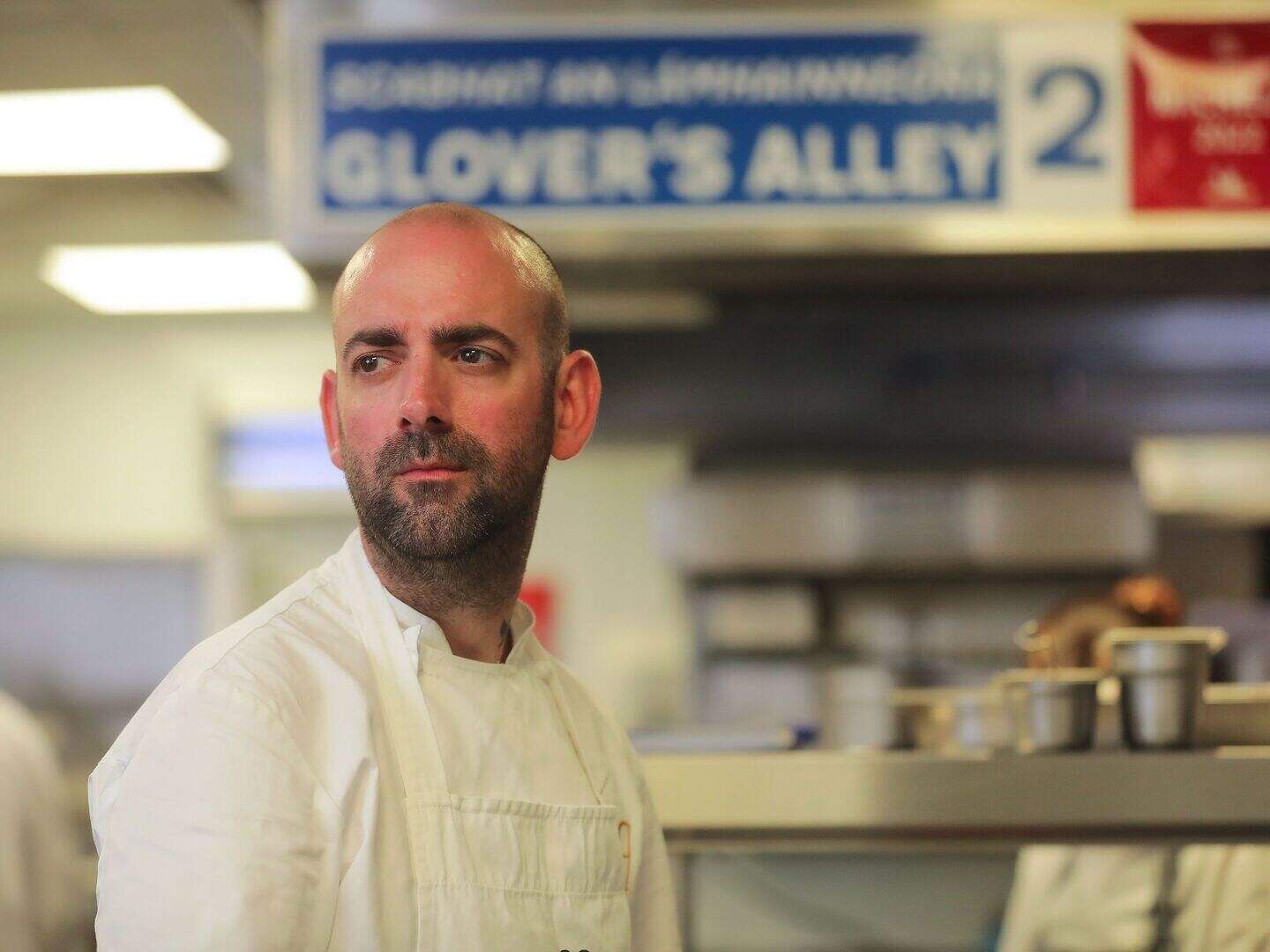
Both professional and personal, the staff at Glovers Alley is a big reason why the restaurant was awarded its first Michelin Star in 2022.
“It was incredibly meaningful for all of us,” shares McFadden. “And, absolutely it has helped business, especially with tourists who often seek out Michelin Star restaurants as part of their travel itinerary. Our staff are a major part of that experience, as they are the face and first impression of the restaurant – being greeted at the door with a smile and a few warm words can make a massive difference for our diners. My hope is that they all open their own eating establishments someday.”
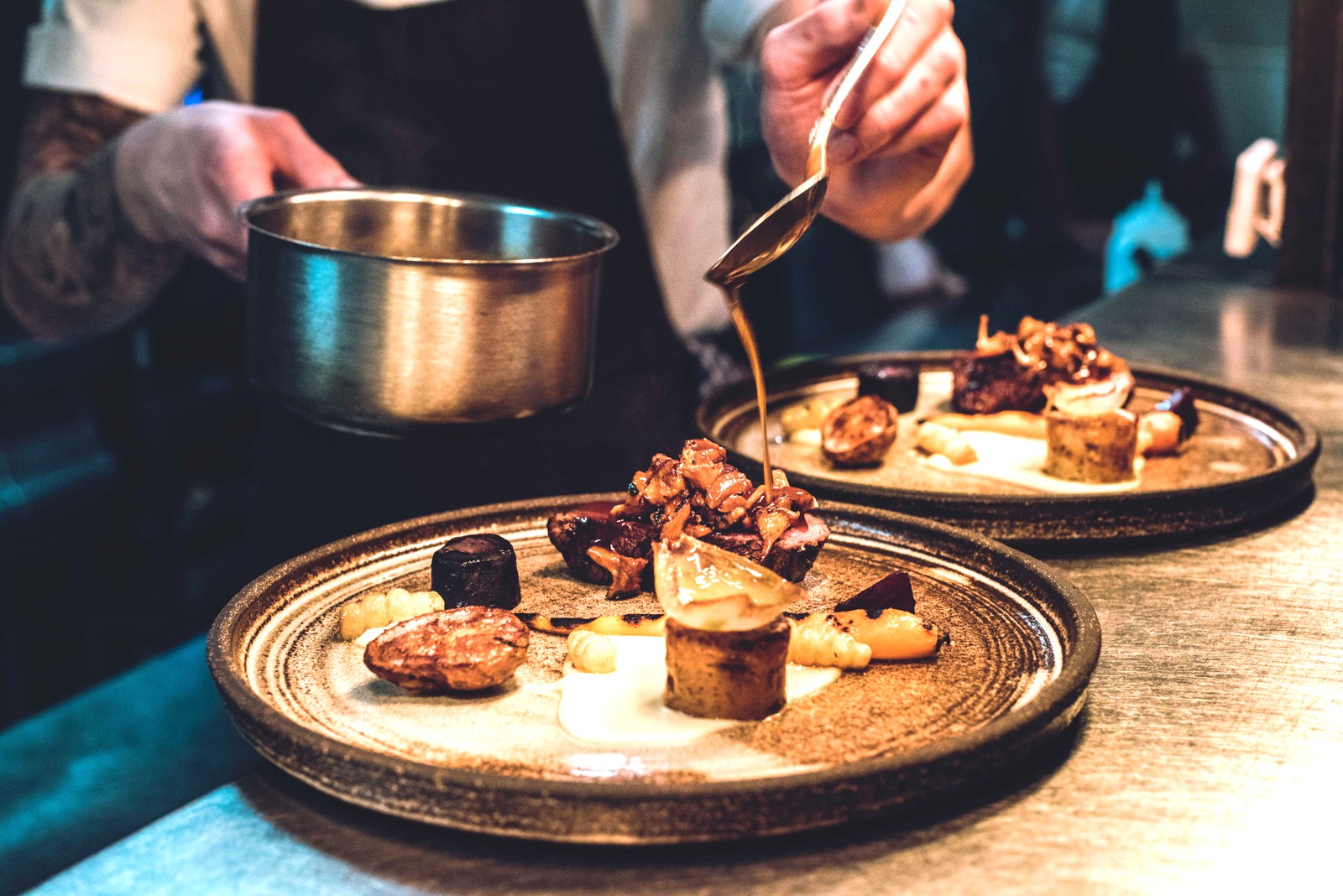
His leadership and example aren’t McFadden’s only skills, however, and Glovers Alley has built its reputation upon his creative culinary prowess, exemplified nightly with a world-renowned Tasting menu that includes Kilkeel Crab, Kohlrabi, Ponzu, Thyme, Beet Tartare, Hazelnut, Mustard, Dill Scallop, Dulse, Lemon, Parsley, Shellfish Bisque, BBQ Irish Wagyu Beef Sirloin, Celeriac, Wild Garlic, Truffle, Wicklow Bán, Pecan, Truffle Honey, Ruby Grapefruit, Velvet Cloud Sheep’s Yoghurt, Sliabh Aughty Honey, and Lime Valrhona Azélia with caramel, mandarin, and vanilla.
“Absolutely, at the end of the day the food is – sometimes literally – the proof in the pudding. But it is all of those little personal touches that make a meal more than a meal; flowers on the table, having the lighting and music just right. Ultimately, though, people want to have a human experience – they want a smile, a handshake, a kind word, they want to feel welcome, like they belong, like there is a seat at the table for them.”
At the Michelin Star Muddlers Club in Belfast, General Manager Barry Fletcher still meets diners at the door, even after a decade in the role.
“We opened the venue low-key in 2015, with the wish to be a welcoming space for everyone to feel comfortable. We don’t have a strict dress code – guests can wear whatever they feel best in. Whether that’s slides and shorts or a tuxedo, we want people to feel relaxed when they join us.
“We have managed to strike a really good balance of fine dining and a casual feel,” he continues. “Here, we pop on our sneakers, smack on a smile, darken the room, turn up the tunes, smash-out refined flavour bombs course after course and dole-out the Northern Irish craic and hospitality. We want our guests to simply chill and forget about everything else in the world for a few hours…”
A native of Belfast, Fletcher has seen the city’s food scene evolve over his 30+ years in the industry.
“Peace has meant prosperity,” he notes, alluding to the 1998 Northern Ireland Peace Accord that brought an end to three decades of regional sectarian violence. “I remember, and it wasn’t that long ago, when there were only two spots to eat here in the Cathedral Quarter; one was an actual restaurant, and the other was a pub. So, either way, you were having fish ‘n’ chips and a pint of Guinness for supper.”
Like Dublin’s Temple Bar district, Belfast’s bustling Cathedral Quarter is a cultural hotspot, replete with restaurants, pubs, cafes, artisan food shops, art galleries, bookstores, thrift shops, music stores, craft jewelers, and more.
The Muddlers Club earned its single star status on the strength of its seasonal Tasting menus, which are carefully crafted for all dietary requirements. On any given night, the restaurant’s “standard” Tasting menu might include seven courses, including Sourdough Onion Bread with Arbequina Olive Oil and Charred Leek Butter; Sea Trout garnished with Sesame, Yuzu, Foie Gras, Gingerbread, Seville Orange, Goats Cheese, Fig and Chestnut; Scallop and Chicken Tarragon; Lamb with Mushrooms and Celeriac; Halibut with Bisque and Fennel; Salt Aged Beef with Short Rib and Black Truffle; Lemon, Blueberry Violet (a dish my dining partner called “Sex in a Bowl”); and Rhubarb, with Pink Peppercorn and Mascarpone. Between courses, of course, small and sweet amuse-bouche servings cleanse and renew the palate.
“Two entrees, three main dishes, and two desserts,” adds-up Fletcher. “It certainly sounds like a mouthful, doesn’t it? Make sure you’ve something strong from the bar to wash it down properly.”
Our server (Super) Massimo brings more beverages before excusing himself with a bow and a burly Italian accent, “I will be back shortly – now I must go and present the food.”
I note his choice of the word present and my mind turns to the idea that food is a gift, perhaps from the Gods, or maybe to give and receive from one another. I am also struck by the thought that the act and art of eating, and of eating well, requires one to be present, fully immersed in the here and now.
Perhaps, as “music exists in the spaces between the notes” (Miles Davis) so it is that authentic eating experiences exist in the moments between bites, where we put down our knives and forks, savour the flavour, sigh, and simply – and sacredly – connect with company in culinary communion.
Massimo reappears with a smile. “More drinks for you?”
The Bar
Back in Dublin, Alex Lawes and Alan Wolfe built their brotherly bond – and their burgeoning microbrewery business Whiplash – on beer.
“We have both been working in beer since we left school,” shares Lawes. “Prior to starting the brewery in 2019, we had a combined 20+ years of experience in the beer sector. When we met, we developed a friendship immediately from a shared passion for good food and great beers. We’d head off on beer trips together just to try what was interesting in different cultures on the continent and further afield, but when we realized we wouldn’t be able to drink that kind of stuff in Ireland unless we did it, we took the leap.”
Today, Whiplash is one of more than 80 micro-breweries in Ireland – up from just 15 in 2012. While overall beer consumption in Ireland fell has fallen in the last decade, craft beer consumption has risen by 13.5 per cent over the same period. Today, Independent microbreweries hold a 3.4 per cent share of the domestic beer consumption market.
Lawes notes that he and Wolfe simply followed the most basic law of economic success – find a need and fill it.
“Before we started doing this all you could really get in Ireland was a Lager, a Stout, or a Red Ale. The younger generation wanted something different with their beer lineup, so here we are. It really speaks to our desire for variety, taste, and innovation rather than sheer quantity.”
That desire isn’t just at home, however.
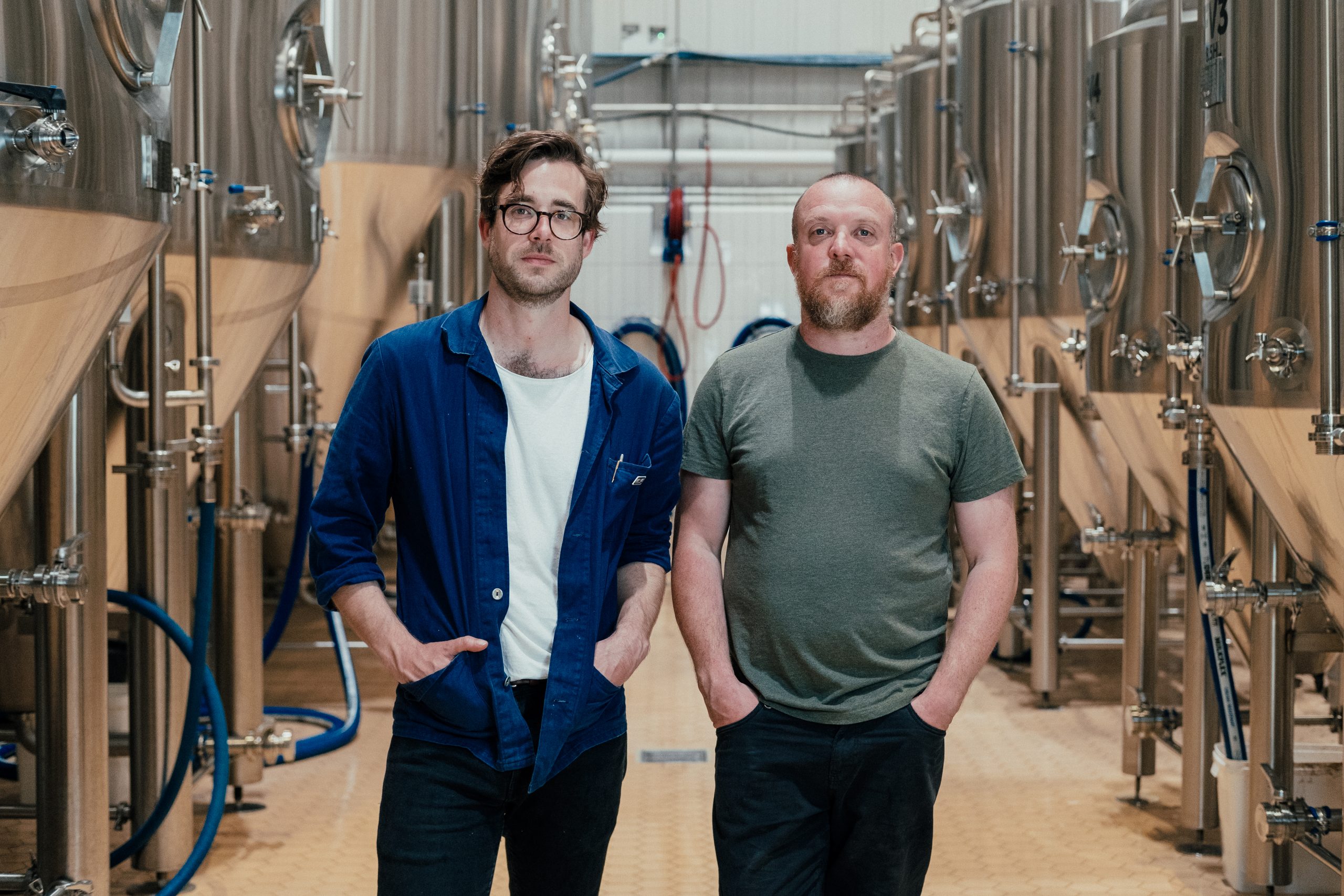
“About six out of every ten pints we make are exported,” adds Lawes. “People seem to love our beers all over the world and we are now sold everywhere from the UK to Japan in over 30 markets. Still, the people here in Dublin who love drinking Whiplash every weekend are our priority, and they keep us going.”
He also credits the company’s continued success to community involvement.
“We have produced over 200 beers so far and with beautiful, commissioned artwork every time. At the moment we are working with five visual artists, but we also collaborate with musicians, DJs, poets, film directors, chefs, photographers, and more. We have become a part of the creative scene here with our craft beer, which is an art also, and have joined forces with others in our field. We didn’t imagine when we started that it would have this kind of reach, but beer can build community and we aim to continue that.”
Cider has also grown in popularity among the Irish and is now the third most popular alcoholic drink in the country with residents consuming roughly 64 million litres each year. Irish cider exports have bloomed to nearly €85 million annually, with the UK as the top export destination.
Currently, there are more than a dozen specialized cider producers across Ireland and Northern Ireland, including Long Meadows Farm, 30 minutes due north of Dublin by car.
“My grandmother planted these apple trees 60 years ago,” shares twentysomething Aoife McNally who – along with her siblings Sarah, Niamh, Stephan and Patrick – works alongside parents Jenny and Patrick nurturing and harvesting crops.
“We’ve been certified organic growers for over 25 years – all our produce is grown with nature in mind, free from chemicals.”
Along with the facility’s organic fare, which includes fruit, vegetables, herbs, preserves and more (all sold onsite), the seasonal family farm produces its signature cider.
“We sell our products primarily at markets across the region – Temple Bar, Glasnevin, and a few others. Our regular ciders sell very well, although we are seeing significant growth with our non-alcoholic offerings.”
The non-alcoholic cider sector in Ireland grew by nearly 19 per cent in 2025, up 5 per cent from the previous year. Those statistics support a growing global trend away from spirits.
“My friends and I don’t drink a lot of alcohol,” shares Aoife. “And when we do, it is a healthier option – IPAs or cider mostly.”
Again, the numbers tell the tale; according to Alcohol Action Ireland, consumption rates across the country have decreased by more than 30 per cent over the last two decades. In addition, Alcoholics Anonymous’ head office in Dublin reports that the number of young people attending 12-step meetings in the past ten years is down almost 20 per cent, and both alcohol rehab admissions and alcohol-related deaths are also significantly lower during that same period.
“That’s very un-Irish,” laughs Aoife. “Maybe we’ve learned our limits from watching previous generations. Me, I’d rather enjoy a fine meal at a posh restaurant – that’s where I’m spending my money.”
Despite inflation, it is estimated that island residents spent more than €2.2 billion on dining out in 2025, with another €1.1 billion coming from visitors.
The Ingredients, Reprised
“This isn’t ‘101 Ways to Prepare a Potato’ guys…”
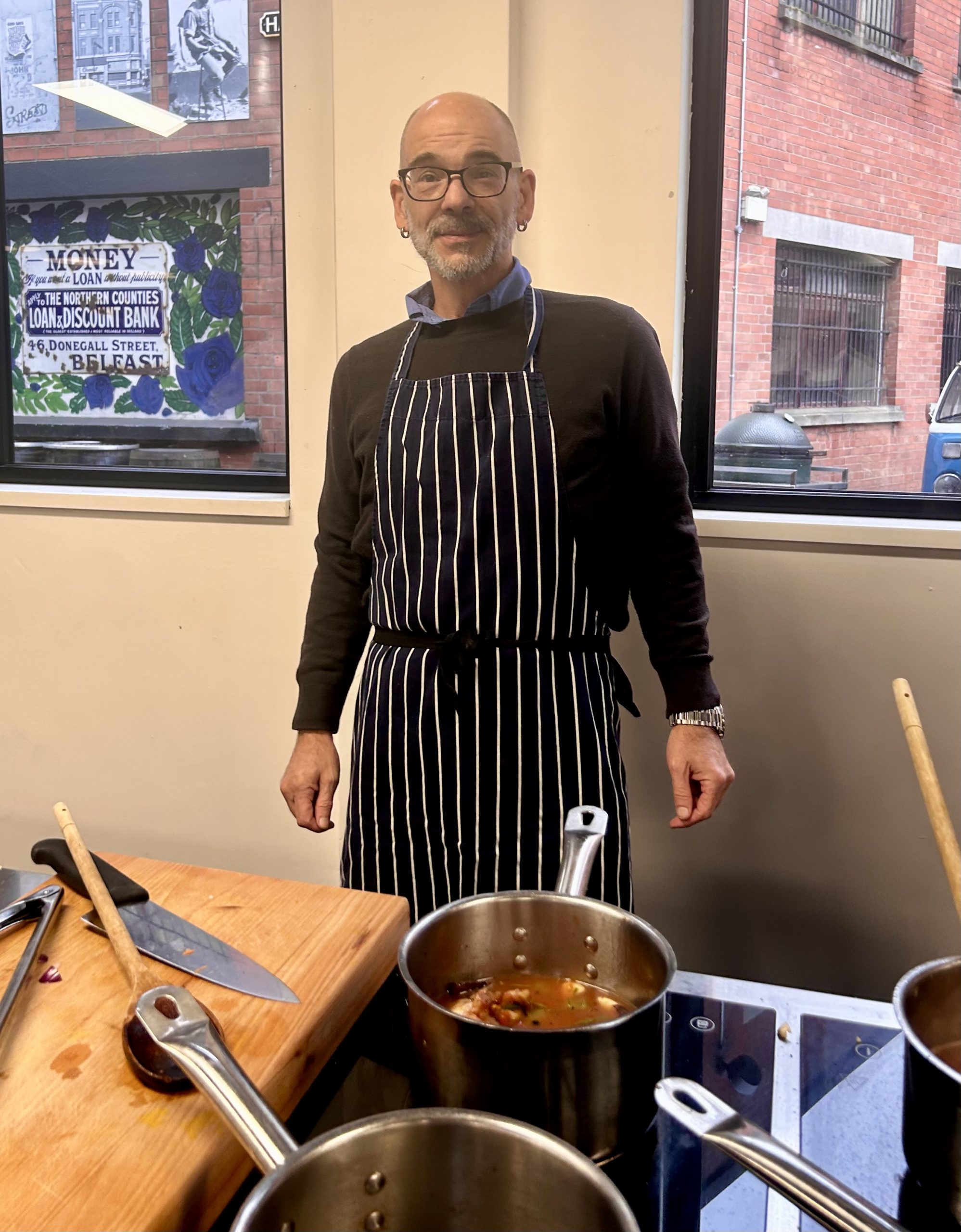
Belfast born chef Niall McKenna doesn’t mince words as he leads a Saturday morning class of eight wannabees through the preparation and cooking of wild game rabbit, chicken and venison at the Waterman House School of Cookery in the city’s Cathedral Quarter.
After years of plying his trade and accumulating an array of accolades and awards, McKenna opened the facility in 2019, incorporating the cookery school, events spaces and tasting rooms alongside a restaurant.
“I suppose I’m still a bit young to be thinking about legacy, but this gives me the chance to pass on history, recipes, methods, and the like.
“So much of our food culture is now immersive, meaning that people want to learn more and be more involved.”
“It’s no longer just about entertainment,” he continues, “it’s also about education and engagement. Food always been a big part of our story here, but now more people want to be a part of that story.”
With that, McKenna opens the oven door, and his eight “students” take a seat at the table. The chicken is superb, the venison delightful, but it is the tender and tasty wild game rabbit that proves most popular.
“So, what we’ve done here guys is taken our classic stock – in this case rabbit – and added a few unique, contemporary components to it, including locally-grown vegetables, along with a slight splash of seasoning and sauce. So, the flavours you are now savouring come from that fusion of fresh ingredients.
“But do you know what the best part of any meal is guys?” McKenna asks out loud, looking at each one of us. “It’s the company you keep.”
“Absolutely it is,” agrees Chef Richie Wilson.
“Oh, yes, for sure,” concurs Chef Andy McFadden. “It’s all about who you’re with.”
“People make the meal memorable,” adds Linda O’Neill.
“Food gives us the chance to connect with what is most important in life,” echoes Kevin Adams. “And that is our family and friends.”
“It’s alchemy, actually,” adds Barry Fletcher, “and it’s all about the ingredients. Just as the right ingredients bring out the best in one another to create something greater than themselves, so the right company complements the Irish eating experience. And in our part of the world, there is room at the table for everyone.”
Story by Stephen Patrick Clare













Leave a Comment